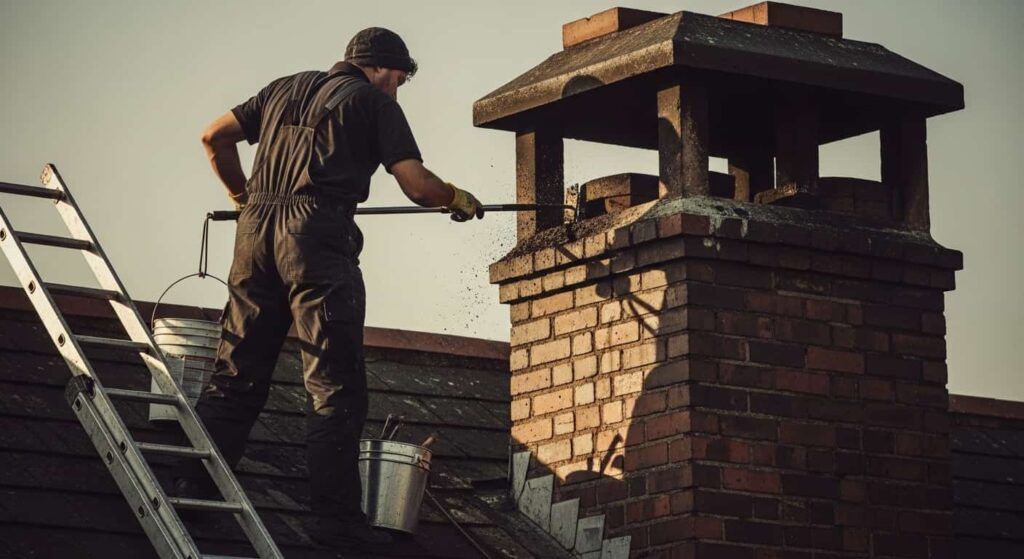
Buying your first home in Boston comes with a long list of new duties you never thought about while renting. One of the first things most first-time owners skip is the chimney. It looks solid, it stands quiet in the corner, and from below the flue looks clean enough. Then winter arrives, you light your first fire, and smoke fills the living room. Learning the basics of chimney cleaning in Boston early on saves you from fire risk, smoky ceilings, and a hole in your insurance coverage.
Why Your Chimney Needs Attention Even If It Looks Fine
A chimney can hold problems you cannot see from the living room floor. Creosote, the tar-like layer left behind by burning wood, builds up on the flue walls with every fire. The National Fire Protection Association reports more than 22,000 chimney fires each year in the United States, and most of them trace back to creosote that was never cleaned out.
For a first-time homeowner who just moved in, the past cleaning history of the chimney is a mystery. Many older Boston homes in Dorchester, Jamaica Plain, Roxbury, and Allston were last serviced 5 or 10 years ago, sometimes longer. A cold chimney with built-up creosote can ignite from a single hot fire.
Tip 1: Schedule an Inspection in Your First 60 Days
Before lighting any fire, book a proper chimney inspection. A technician with a camera scope can see cracks, nesting material, damaged liners, and creosote levels that no homeowner can spot from below. Expect to pay $150 to $300 for a Level 1 inspection in Boston. This one visit tells you if the chimney is ready for use, needs a quick cleaning, or needs repair work before any burn.
Tip 2: Know How Often to Clean
The Chimney Safety Institute of America recommends cleaning when the creosote layer reaches 1/8 of an inch. For homes that burn wood often through winter, that means one cleaning per year, usually in the fall before the cold season starts. Homes that use the fireplace only a few times a year can stretch the interval to every 2 years, though yearly inspections still matter.
Signs that your chimney needs cleaning now:
- Smoke pushing back into the room during use
- Dark soot falling into the firebox
- A strong smoky smell even when the fireplace is cold
- Chirping, scratching, or flapping sounds from the flue
- Visible black buildup when you shine a flashlight up the chimney
Tip 3: Pick the Right Wood
The wood you burn affects how fast creosote builds up. Green, wet, or unseasoned wood burns cool and produces heavy smoke that coats the flue quickly. Dry, seasoned hardwood burns hot and clean.
Best Choices for Boston Homeowners
- Oak, maple, and birch, seasoned for at least 6 to 12 months
- Moisture content under 20 percent
- Logs stored off the ground under cover
Softwoods like pine burn fast and create more creosote, so save those for outdoor fire pits, not your living room fireplace.
Tip 4: Install or Check the Chimney Cap
A chimney cap keeps rain, snow, birds, squirrels, and leaves out of your flue. Many older Boston homes have either a missing cap or a damaged one that lets animals in every spring. Nesting material is highly flammable, and a blocked cap sends smoke back into your home the first time you light a fire. Replacing a cap runs $150 to $400 for a standard install, and it pays for itself after one saved service call. Pairing cap work with regular air duct cleaning also makes your whole heating system run cleaner through winter.
Tip 5: Learn What You Can Do Yourself and What You Cannot
Some chimney upkeep falls within a homeowner’s comfort zone. Other parts need a certified tech. What you can handle:
- Clearing ash from the firebox after it fully cools
- Checking the damper opens and closes before each season
- Watching for cracks on the outside brick or mortar
- Keeping the hearth area clear of rugs, furniture, and decor
What you should never attempt alone:
- Sweeping the flue from the roof
- Repairing a damaged liner
- Sealing a cracked crown or flashing
- Removing nests or animals from the chimney
DIY chimney sweeping almost never removes all the creosote, and climbing onto a Boston rooftop in fall weather is a real injury risk.
Tip 6: Keep Good Records
Starting with your first cleaning, keep a folder with service dates, technician reports, and photos. This matters for three reasons:
- Insurance claims often require proof of recent servicing
- Resale value improves when you can show a maintenance history
- You avoid double-paying for work already done
A simple photo of the before and after flue condition, stored on your phone, covers you for years.
Tip 7: Watch for Outside Warning Signs
Walk outside your home every few months and look at the chimney from the street. White streaks on the brick, called efflorescence, mean water is getting in through a damaged cap or crown. Loose mortar joints, missing bricks, or rusted flashing all need attention before winter.
Schedule Your Chimney Cleaning Before the Season Starts
Your first home should be a place where you enjoy winter fires with family, not worry about smoke damage or a chimney blaze at 2 a.m. A yearly cleaning, a yearly inspection, and a few seasonal walk-arounds keep the whole system working the way it should.
We at Affordable Duct Cleaners handle chimney cleaning, inspections, cap work, and full flue repairs for first-time homeowners across Boston and its surrounding areas. Our team uses camera scopes, proper brushes, and written reports to give you a clear record of your chimney condition. If you just moved in and have not booked a first inspection yet, reach out through our contact page to schedule a visit before your first winter fire.