Sitting by a fire on a cold night feels warm and calming. The kids gather nearby, the room is cozy, and life slows for a bit. But if the chimney is dirty or damaged, that same fireplace can become a concern. Many people do not think about what is happening inside the chimney until smoke fills the room or an odd smell appears. Scheduling regular chimney cleaning in Boston can help prevent these issues and keep your fireplace operating safely.
Many homeowners believe chimney cleaning and inspection are the same, but they are not. Cleaning keeps your chimney clear, while inspection checks whether it is safe and in good condition. Both are important, and understanding the difference can help you save money, avoid stress, and keep your family safe.
Are Chimney Cleaning and Chimney Inspection Different?
Chimney cleaning and inspection may sound similar, but they address different issues. Let’s clarify the difference.
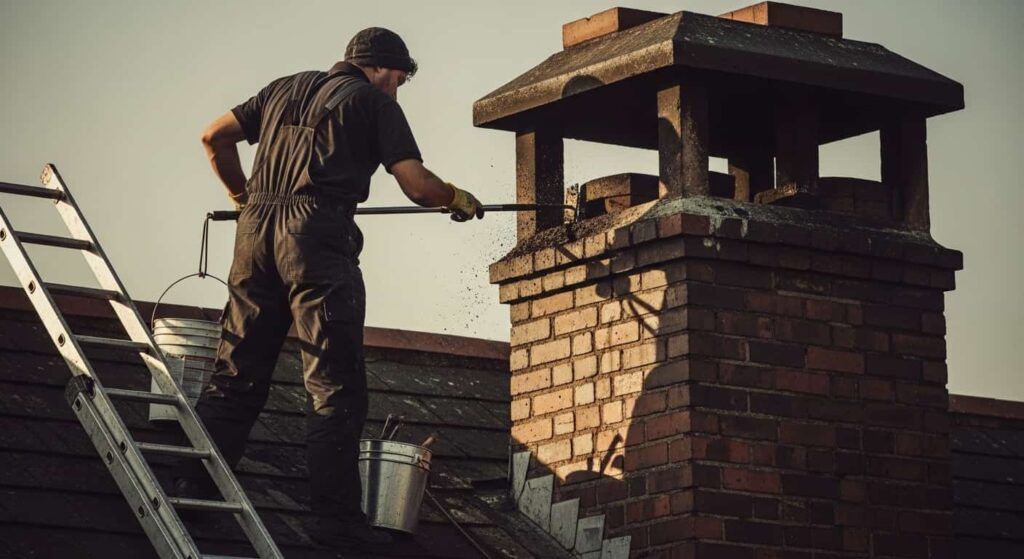
Cleaning removes the buildup inside your chimney. Over time, soot, ash, and a sticky black layer called creosote accumulate. A thorough cleaning clears them out so smoke can exit properly.
An inspection assesses your chimney’s condition. A trained technician examines the bricks, liner, cap, and joints for cracks, gaps, blockages, or damage. No cleaning occurs during an inspection. The goal is to spot issues, not remove buildup.
Also Read: Why Chimney Cleaning in Boston MA is Essential for Your Home?
What Chimney Cleaning Removes
When you use your chimney during the winter, a lot of debris builds up inside. Cleaning removes all of it. Here is what a proper cleaning takes care of:
- Creosote: A black, tar-like residue that sticks to the walls and can ignite.
- Soot and ash: Fine, dark powder left after burning wood.
- Blockages: Leaves, twigs, and other debris that fall in from above.
- Animal nests: Birds, squirrels, and raccoons love to build their homes in chimneys.
Creosote is the leading cause of chimney fires. Even a thin layer can ignite if it gets hot enough. Regular cleaning is not just about tidiness, it is a safety measure that protects your home.
A clean chimney also operates more efficiently. When the flue is clear, smoke rises and exits the house properly. If it is blocked, smoke can enter your living room, and dangerous gases like carbon monoxide can build up indoors.
Also Read: How Chimney Cleaning Improves Indoor Air Quality
What Does a Chimney Inspection Include?
An inspection is like a checkup. The technician looks for weak spots and hidden damage you might not notice. During a thorough inspection, they check:
- The chimney liner: Check for cracks or gaps that let heat escape.
- The brick and mortar: Look for crumbling joints or loose bricks.
- The chimney cap: Making sure it keeps rain and animals out.
- The flue: Checking for blockages or excessive creosote.
- The overall structure: Spotting leaning, water damage, or wear.
Water damage is often found during inspections. When mortar breaks down, rain can seep in and quickly worsen the problem. Finding it early is much more affordable than fixing a larger issue later. That is why inspections matter, as they catch small problems before they become costly repairs or safety hazards.
Why Do People Confuse Chimney Cleaning with Inspection?
It is easy to see why people get confused. Both services involve the same chimney, and many companies offer them together. Also, many people call for help only after a problem arises, so they refer to it all as “getting the chimney done.”
However, the two jobs address different concerns. Cleaning answers, “Is my chimney clear enough to use safely?” Inspection answers, “Is my chimney in good enough condition to use at all?”
Your chimney might be clean inside but have a cracked liner, or it could be undamaged yet filled with creosote. That is why one service does not replace the other.
The Three Levels of a Chimney Inspection
Not every chimney inspection is the same. There are three levels, and the right one depends on your situation.
- Level 1: The basic check. This works for chimneys that are used the same way every year with no changes. The tech examines the parts they can easily see and reach.
- Level 2: A deeper look. This is needed when you buy or sell a home, add a new heating appliance, or after an event such as a chimney fire or a severe storm. It often includes a camera inspection of the flue.
- Level 3: The most detailed. This happens when a serious hazard is suspected. It may involve opening parts of the chimney or wall to access hidden areas.
Most homes only need a Level 1 inspection. Understanding these levels helps you understand why the price or service might change depending on your chimney’s history.
How Often Should You Clean and Inspect Your Chimney?
Safety organizations recommend a yearly inspection for every chimney, even if you rarely use it. A technician should inspect it once a year to catch any new damage.
However, chimney cleaning is different. How often you need it depends on how much you use your fireplace:
- Heavy use (a fireplace you use most nights in winter) may require cleaning once a year or more.
- Light use (a few fires per season) might allow a bit longer between cleanings.
- Gas fireplaces still need inspections because they can develop blockages and buildup.
A good rule is to schedule an inspection each year and let the results indicate whether cleaning is needed. For peace of mind, book chimney cleaning in Boston before the cold season so your fireplace is ready when you need it.
Warning Signs Your Chimney Needs Attention
Your chimney often gives warnings when something is wrong. Do not ignore these signs:
- Smoke pushing back into the room instead of going up.
- A strong, smoky, or burnt smell even when there is no fire.
- Black soot showing up around the fireplace opening.
- Bits of brick or white staining on the exterior of the chimney.
- Animal sounds coming from inside the flue.
- A fire that is hard to start or keep going.
If you notice any of these signs, call a professional. A quick check now can help you avoid major repairs or a dangerous fire later.
Also Read: 5 Reasons to Schedule Professional Chimney Cleaning
Do You Need Chimney Cleaning and Inspection at the Same Time?
Most of the time, yes, doing both together makes sense. A technician usually inspects the chimney first to check its condition, then removes any buildup. Getting both done in one visit saves time and often money as well.
Still, each service has its own purpose. If you only clean and skip the inspection, you might miss a crack that lets dangerous heat or gas into your home. If you only inspect and skip cleaning, creosote could remain and start a fire.
Doing both keeps your chimney clear and safe, which is what you want before lighting the first fire of the season. Booking a chimney cleaning in Boston with a full inspection covers all your needs.
Also Read: How Much Does Chimney Cleaning Cost in Boston?
Why Homeowners Trust Affordable Duct Cleaners
At Affordable Duct Cleaners, we understand how important a safe, working fireplace is to your home. We handle both cleaning and inspection, and we make sure to explain everything in simple, easy-to-understand language.
When you book chimney cleaning in Boston with us, you get more than a quick cleaning. You receive a thorough understanding of your chimney’s condition and the confidence to enjoy your fireplace all season. Contact our team today to get your chimney clean, safe, and ready for the cold nights ahead.