Your energy bill keeps climbing, but you have not changed how you use your heating or cooling system. The building feels stuffy in some rooms and cold in others. The HVAC unit runs longer than it used to before reaching the set temperature. Most property owners blame the equipment, but in many cases, the problem is hiding inside the ductwork. An air duct inspection in Boston can reveal what is dragging your system’s performance down and costing you money every month without you knowing it.
Why Ducts Impact HVAC Performance
Air ducts are the delivery system for your HVAC. Heated or cooled air travels from the unit through the ducts and reaches every room through supply vents. When those ducts are clean and sealed, the system works at the capacity it was built for. When they are not, the system has to compensate.
Over months and years, several problems develop inside the ductwork that directly reduce efficiency:
- Dust and debris buildup that restricts airflow
- Leaks at joints and seams where conditioned air escapes before reaching the room
- Collapsed or disconnected sections in flexible ductwork
- Moisture accumulation that promotes mold and corrodes metal ducts
- Pest activity that blocks sections or damages insulation
Each of these forces the HVAC unit to work harder and run longer to maintain the temperature you set on the thermostat.
Duct Leaks Are the Biggest Efficiency Killer
According to Energy Star, the average home or building loses 20 to 30 percent of conditioned air through leaks, holes, and poorly connected ducts. That means up to a third of the air your system heats or cools never reaches the rooms it is supposed to. You are paying for energy that disappears inside walls and ceilings.
For commercial buildings in Boston with larger duct networks, that percentage translates to hundreds or even thousands of dollars in wasted energy per year. An air duct inspection in Boston identifies where those leaks are so they can be sealed before the next billing cycle.
How Inspectors Find Leaks
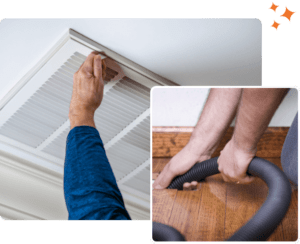
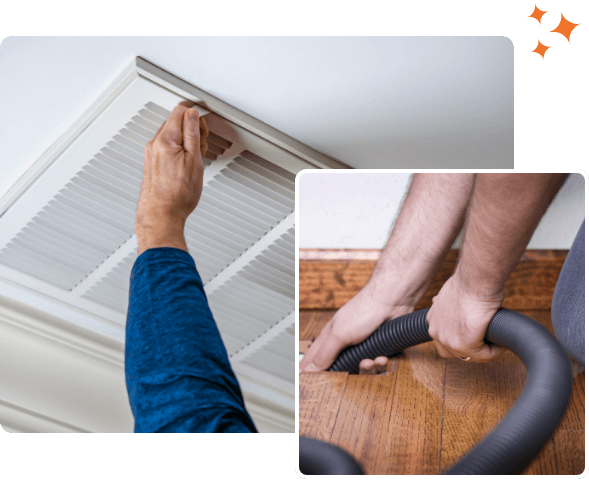
A professional duct inspection uses a combination of visual assessment, airflow measurement at each vent, and, in some cases, duct leakage testing equipment. The inspector checks every accessible section, junction, and connection point. For commercial properties, cameras and pressure testing tools help reach areas that are behind walls or above drop ceilings.
Restricted Airflow Makes Your System Work Hard
When dust, debris, or buildup narrows the inside of a duct, the volume of air that can pass through drops. The HVAC blower motor then works harder to push the same amount of air through a smaller opening. This is like breathing through a straw. The system does not stop trying; it just uses more energy to deliver less air.
You will notice the effects as:
- Rooms that take longer to heat or cool
- Higher electricity or gas bills without a change in thermostat settings
- The HVAC unit is cycling on and off more than usual
- Hot or cold spots across the building
For office buildings, retail spaces, and restaurants in Boston, these issues affect comfort for employees and customers while inflating operating costs.
Also Read: How Dryer Vent Cleaning Makes Your Home Safer
Damaged Insulation Reduces Temperature Control
Ductwork in attics, basements, and crawl spaces is wrapped in insulation to prevent heat loss in winter and heat gain in summer. Over time, that insulation can tear, sag, or get damaged by moisture and pests. When the insulation fails, the air inside the duct changes temperature before it reaches the vent. Your system has to compensate by running longer to hit the target temperature.
An air duct inspection in Boston checks the condition of duct insulation and flags sections where replacement is needed. This is common in older Boston buildings where ductwork has been exposed to decades of temperature swings and moisture.
How Inspections Extend HVAC Equipment Lifespan
An HVAC unit that runs harder than it should wears out faster. Blower motors burn out, compressors fail, and heat exchangers crack when the system is forced to compensate for duct problems. The average commercial HVAC system lasts 15 to 20 years with proper maintenance. Without it, that lifespan drops, and the replacement cost hits your budget earlier than expected.
Regular duct inspections catch the problems that put extra strain on the equipment. Fixing a $200 duct leak now can prevent a $5,000 compressor replacement two years down the road.
Seasonal Timing for Duct Inspections in Boston
Boston’s climate puts pressure on HVAC systems for most of the year. The best times to schedule an inspection are spring and fall, before the peak heating and cooling seasons begin. This gives you time to address any issues found during the inspection before the system goes under full load.
For commercial properties running HVAC year-round, an annual inspection at a minimum keeps the system performing at the level it was designed for.
How Affordable Duct Cleaners Can Help
Affordable Duct Cleaners provides air duct inspection in Boston for offices, retail spaces, restaurants, medical facilities, and residential properties. Our team inspects the full duct system, identifies leaks, blockages, insulation damage, and airflow issues, and gives you a clear report with recommendations. No guesswork and no unnecessary upsells.
Call us today and find out where the money is going before the next energy bill arrives.